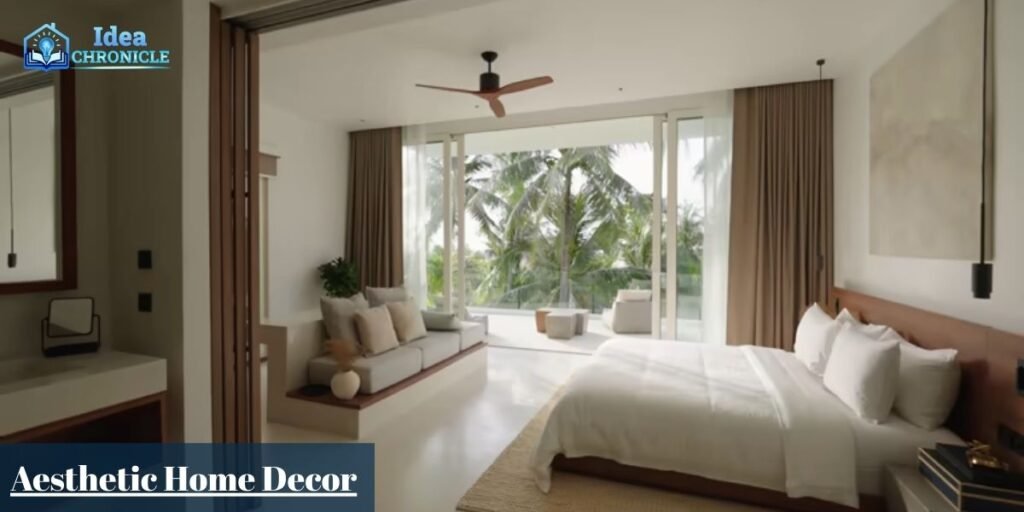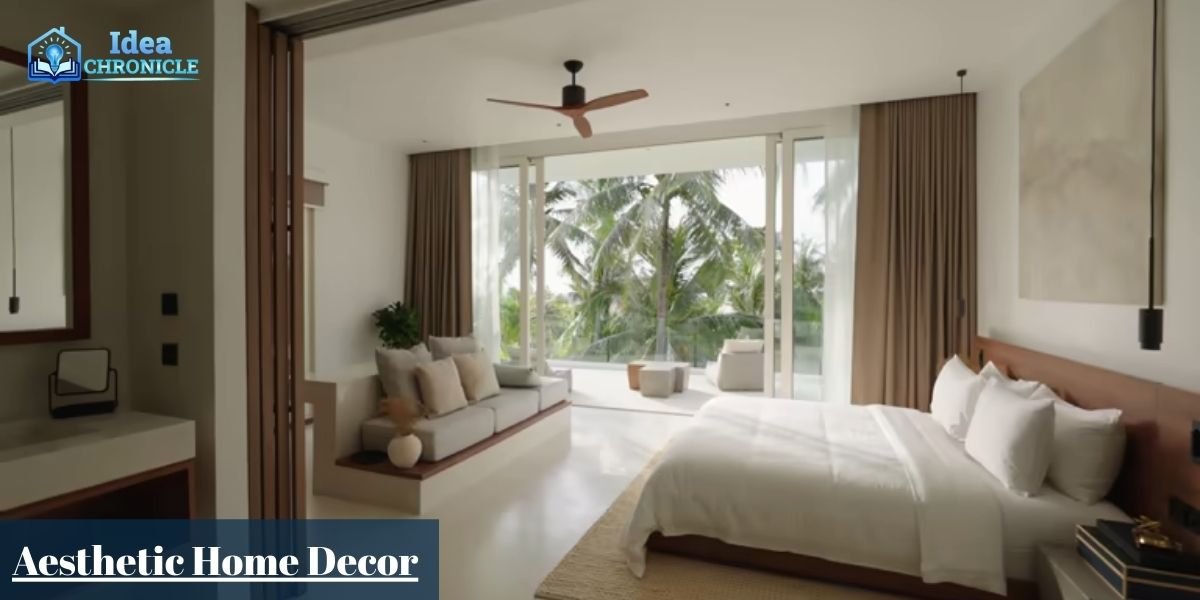
Is your space reflecting your standards or just your clutter? Authentic aesthetic home decor is the art of creating a visual rhythm that restores your peace the moment you step through the door.
We have all been there, scrolling through endless feeds of perfectly lit interiors, feeling that familiar pang of decor envy. The term aesthetic home decor has become a buzzword, but to me, it represents something much deeper than a trend. It is the art of creating a visual rhythm that calms the mind the moment you step through the door.
Over the years, I have realized that the most breathtaking homes aren’t always the ones with the largest budgets; they are the ones where every item was chosen with intention.
I am writing this guide because I’ve seen too many people stall their decorating journey, thinking they need a five-figure bank account to achieve a minimalist aesthetic home decor look. That ends today.
Based on my experience working within the digital design space and analyzing thousands of successful interiors, I’ve distilled the process of creating a high-end atmosphere into actionable, expert strategies.
Let’s look at how you can start this transformation today.
What Makes a Home Feel Aesthetic and Luxurious
The secret to a luxury atmosphere is often what you remove rather than what you add. In professional design circles, we focus on the concept of visual weight. A room feels aesthetic when the eye can move from one piece of furniture to another without being overwhelmed by clutter.
High-end spaces prioritize quality materials like stone, wood, and linen. Even in a living room aesthetic home decor setup, the goal is to make the space feel curated over time.
If every item in your room looks brand new and matches perfectly, it actually loses that feeling of luxury. A true aesthetic home looks like a collection of stories rather than a showroom floor.
Building a Cohesive Look
Color Palette
The foundation of a high-end look is a restrained color story. I recommend the 60-30-10 rule for your palette. 60% of the room should be a neutral base color like soft white or sand. 30% should be a secondary color that adds depth, such as a muted sage or charcoal. The final 10% is for your accent colors.
Using different shades of the same color is a technique called monochromatic layering. This makes an aesthetic home feel cohesive and expensive because it creates a seamless transition between different parts of the room.
Textures and Patterns
Luxury is tactile. If your colors are simple, your fabrics must be rich. Try placing a chunky wool throw over a smooth leather chair. This contrast is what makes a room feel three-dimensional.
Also, avoid using too many loud patterns. Instead, look for textures that are woven into the fabric itself. A ribbed ceramic vase or a bouclé cushion provides visual interest without making the room feel busy or disorganized.
Statement Pieces
You do not need a room full of expensive items to look luxurious. You only need one anchor piece that draws the eye. In an aesthetic home, this could be an oversized arched mirror, a sculptural floor lamp, or a singular piece of abstract canvas art.
When you invest in one high-quality focal point, it elevates everything around it, including your more affordable budget finds.
“Your home should be a collection of things you love, not just things you need. A single well-placed object can hold more power than a room full of furniture.” — Renowned Interior Strategist.
Living Room Ideas
Furniture Arrangement
The biggest mistake I see is wall-hugging, pushing all furniture against the walls. This creates an empty dance floor in the middle of the room that feels cold.
To create an aesthetic home decor vibe, float your furniture. Pulling your sofa even six inches away from the wall creates a sense of airiness and luxury. Arrange seating to facilitate conversation, not just to face the TV.
Lighting
If you are still using a single boob light in the center of your ceiling, you are killing your aesthetic. Professionals use layered lighting to set the mood. You need three levels:
- Ambient: General overhead light (dimmable is a must).
- Task: A sleek, matte-finish lamp for reading.
- Accent: LED strips behind the TV or small cordless lamps on bookshelves to create a glow.
This is the right way to make a living room aesthetic home decor project feel successful.
Wall Decor and Art
For living room aesthetic home decor, scale is everything. Most homeowners choose pieces that are too small for their walls. However, one massive canvas has a much higher impact than a collection of tiny frames. If you are decorating a large wall, ensure your art covers at least two-thirds of the width of the furniture below it.
Tip: If you are on a budget, buy a large thrifted frame and spray paint it matte black, then insert a piece of textured fabric or a simple architectural sketch.
Accessories
When it comes to coffee table styling, avoid knick-knacks and keep it simple. A stack of two or three large books topped with a single organic object like a stone or a piece of wood looks very editorial.
I always suggest grouping 3 items of different heights and textures (e.g., a tall candle, a medium vase, and a small brass tray).
Rugs, Curtains, and Flooring
Your rug is the anchor of the room, thus should be large enough that all the legs of your furniture sit on top of it. A small rug makes a room look tiny and disjointed.
For curtains, always hang the rod as high as possible. Place the rod as close to the ceiling as possible and extend it 10 inches past the window frame. This draws the eye upward and makes your windows look grand and your ceilings look taller.
Storage Solutions
Visible clutter is the fastest way to ruin an aesthetic home. Use furniture with hidden storage, such as ottomans or media consoles with solid doors or or floor-to-ceiling shelving that matches the wall color. If you have open shelving, use beautiful baskets to hide smaller items while keeping the shelves looking organized and intentional.
Bedroom Ideas
Bedding and Textiles
The bed should be the softest-looking part of your home. Use multiple layers like a quilt over a duvet to create a plush, hotel-style look, and then add a weighted throw blanket at the foot and four pillows of varying sizes. Stick to natural fibers such as cotton or linen because they have a timeless quality that synthetic fabrics cannot match.
Styling Small Spaces
In smaller bedrooms, use vertical space. Choose furniture with legs, because seeing the floor continue under a bed or a nightstand makes the room feel much larger. Also, use light-colored bedding to keep the space feeling bright and airy rather than cramped.
Additionally, using wall-mounted nightstands can trick the eye into seeing more square footage. Mirrors placed opposite the door reflect the entryway, making the room feel like it continues forever.
Minimalist Touches
Keep your surfaces 80% clear. A single carafe of water and a small tray for your jewelry are all you need on a nightstand. This minimalist aesthetic home decor approach reduces morning anxiety and keeps the focus on rest.
Lighting and Accents
Soft, warm-toned (2700K) bulbs are essential for bedrooms. Avoid cool white lighting which feels like a hospital. Wall-mounted swing-arm sconces add a hotel-level finish and free up space on your side tables.
Minimalist Aesthetic Approaches
What is the difference between a minimalist home and an empty one?
he answer is soul. Minimalism is the practice of keeping only what is beautiful or useful. In an aesthetic home, every object has been vetted to ensure it fits the overall mood of the house. This results in a space that feels intentional and peaceful rather than cold or abandoned.
Affordable Luxury Techniques
Mixing High-End and Budget Pieces
The High-Low mix (saves and splurges) is a professional secret. Spend your money on things you touch every day like your sofa, your bedding, or your pillows. Then, save money on decorative objects like side tables, picture frames, and decorative vessels from budget-friendly stores.
DIY Projects
You can create custom art by using a bit of plaster on a canvas to create a 3D effect. Another great tip is to swap out standard plastic drawer pulls for brass or matte black hardware. These small changes make basic furniture look like a custom designer piece.
Plants, Mirrors, and Lighting
A $20 Monstera plant in a simple ceramic pot adds an organic designer touch that plastic decor cannot replicate. Mirrors reflect your best design choices, effectively doubling your decor’s impact for the price of one item.
Common Design Mistakes
- Over-decorating: Leaving a wall blank is a design choice. Don’t feel the need to fill every inch.
- Matching Sets: Buying a bedroom set where everything matches looks dated. Mix your woods and metals for a curated look.
- Ignoring Cord Management: Visible black wires from your TV or lamps will instantly ruin a minimalist aesthetic home decor look. Use cord hiders or snake them behind furniture.
Planning and Maintaining Your Aesthetic Home
Don’t try to fix the whole house in a weekend. Start with the entryway, as it’s the first thing you see. Once that vibe is set, move into the living room. This prevents decor burnout.
Buy quality over quantity. If you can’t afford the perfect rug right now, wait and save rather than buying a filler rug that you’ll hate in three months.
Every time you bring a new item home, ask yourself: “Does this fit my 60-30-10 color palette?” If the answer is no, don’t buy it. Consistency is what creates a luxury feel.
FAQs About Aesthetic Home Decor
What is aesthetic home decor, and how is it different from traditional décor?
Aesthetic home decor focuses on a specific mood or visual theme (like Cottagecore or Minimalist) rather than just traditional functional furniture. It prioritizes the art of living.
How can I make my home feel luxurious on a budget?
Focus on scale and lighting. Large-scale art and layered lighting (lamps and sconces) provide an immediate luxury feel for a fraction of the cost of new furniture.
Which colors create a high-end aesthetic?
Warm whites, Greige (gray-beige), and muted earth tones like sage or terracotta always look more expensive than bright, primary colors.
How do I mix minimalism and warmth?
Use natural materials. A minimalist room feels warm when you add wood, wool, and plants. It’s the cold surfaces (metal and plastic) that make minimalism feel sterile.