Creating a professional cinema at home is a dream for many, but it requires careful planning to get right. In 2026, technology has changed how we think about movie nights. We now use AI to tune rooms and wireless tech to hide messy cables.
This guide teaches you how to create a home theater room that beats the local cinema. Whether you want a low cost DIY home theater room or a luxury suite, I will show you the exact steps.
What Defines a True Home Theater Room
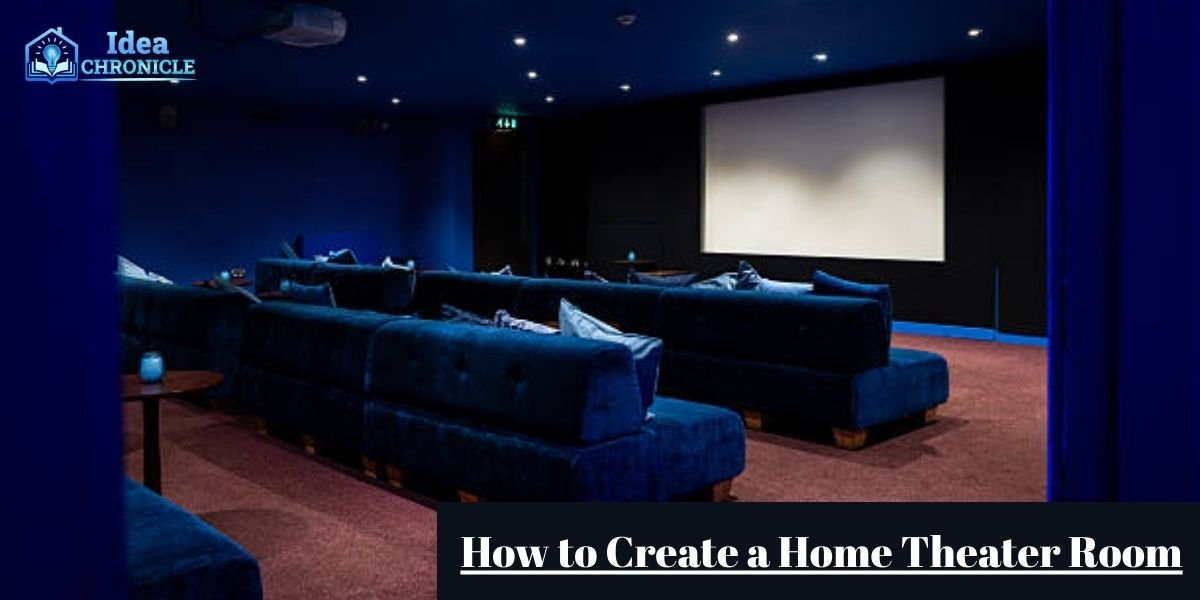
A real home theater is a dedicated space built for one purpose: total immersion. It is not just a living room with a loud soundbar. A true theater uses specific home theater layout principles to control every bit of light and sound.
- Dedicated Space: You need a room with no distractions.
- Acoustic Control: Walls must absorb or diffuse sound.
- Cinema Seating: Recliners should be placed in a sweet spot for viewing.
In my opinion, a true theater is that it feels like a different world the moment you close the door. It should isolate you from the outside world entirely.
Why a Modern and Luxurious Home Theater Room Matters
In 2026, home entertainment is the new night out for families and friends. High-speed streaming and 8K gaming have made the home the best place to consume media.
A high-end home cinema installation adds massive value to your property and provides a private sanctuary for your mental health.
Luxury in a theater is not just about expensive gear; it is about the feeling of the room. A well-designed space with hidden speakers and motorized seats makes every movie feel like a red-carpet event.
My suggestion is to focus on the user experience—everything from the remote control to the seat fabric should feel high-quality.
DIY vs Professional Home Theater Installation
Deciding between a DIY home theater room and a pro install depends on your technical skills. A DIY project can save you thousands in labor costs, but a pro brings specialized tools for audio-visual calibration.
I usually recommend a hybrid approach. Do the painting, acoustic panel hanging, and seating yourself to save money. However, hire a professional for the final audio calibration and in-wall wiring to ensure safety and peak performance.
Professionals can also integrate your system into a whole-home hub like Crestron which is the gold standard for luxury control.
Choosing the Best Room for a Home Theater
The best room is often a basement because it has fewer windows and solid floors. However, if your room is small, you can still get a high-end result. Here are 3 common dimensions to consider for your home theater design:
- Small (10′ x 12′): Best for a single row of 3 seats and an 85″ TV.
- Medium (12′ x 18′): Ideal for two rows of seating and a 110″ projector screen.
- Large (15′ x 25′): Perfect for a full 7.2.4 Atmos setup with a bar in the back.
If you plan to host family and friends, aim for a rectangular room. Rectangles allow sound to travel more naturally than squares, which often suffer from bass trapping in the corners.
Home Theater Room Size and Layout Basics
Your home theater room layout is the foundation of your sound quality. Avoid square rooms if possible. Always place your screen on the narrowest wall to allow for a longer throw distance for projectors.
Keep your main seats at least 3 feet away from the back wall. This prevents the sound from feeling cramped and unnatural. Use a symmetrical layout where the speakers are an equal distance from the primary listening position.
Soundproofing Essentials for a Home Theater Room
Soundproofing is the most ignored part of building a home theater, but it is vital. It is about two things: keeping the movie noise in and the house noise out. Without it, the thump of a bass explosion will wake up everyone in the house.
You should use Mass Loaded Vinyl (MLV) behind your drywall to add density. I also suggest using Green Glue Noiseproofing Compound between two layers of drywall.
This hack will convert sound energy into heat and stop vibrations from traveling through the studs.
Light Control for Better Picture Quality
Light is the enemy of a great image. Even a tiny bit of sunlight can wash out the deep blacks of a high-end 8K screen. You need 100% control over the environment to see the movie as the director intended.
I suggest using motorized blackout shades that sync with your system. For a low cost DIY home theater room, thick velvet curtains work wonders. They block light and also help absorb sound echoes, giving you two benefits for the price of one.
Choosing Between a TV and Projector
Large TVs (98″+): These are the kings of 2026 for bright rooms. They offer perfect blacks and high brightness. A TV is the best choice if your room has windows or if you play a lot of high-speed HDR games.
Projectors: A projector is the only way to get a 120-inch or larger image. Modern 4K Laser projectors are now very quiet and sharp. They give you that classic cinema feel that a TV just cannot match.
If your room is under 12 feet long, buy a 98-inch OLED TV. If the room is larger, go for a projector. The immersion factor of a 130-inch screen is worth the extra setup effort in a dedicated dark room.
Home Theater Screen Size and Viewing Distance
Don’t buy a screen that is too big for your seating, as it causes a spectator neck.
- Formula: Viewing Distance (inches) ÷ 1.2 = Ideal Screen Size.
- 85-inch screen: Sit 8.5 feet away.
- 120-inch screen: Sit 12 feet away.
- Viewing Angle: Aim for a 40-degree field of view for the most cinematic experience.
Speaker Setup and Surround Sound Planning
A standard home theater setup uses a 5.1.2 system. The “.2” refers to the height of the speakers in the ceiling. This creates a dome of sound where you can hear rain falling above you.
Do not skimp on the Center Channel speaker. Over 80% of movie dialogue comes from that one speaker.
I highly recommend Klipsch for high-output theater audio or SVS Sound for the best subwoofers in the USA. Always buy your front three speakers from the same brand to ensure the sound timbre matches.
Lighting Design for a Cinematic Feel
Lighting is the secret sauce of a professional room. It sets the mood before the movie starts and keeps people safe when they need to stand up during the show.
Never use a single bright overhead light. Instead, use layers of light: step lights for the floor, wall sconces for the sides, and LED strips behind the screen.
I suggest the Philips Hue ecosystem. Their Play Gradient Lightstrip syncs with your screen to pull colors onto the walls, making the room feel twice as big.
Wall Colors, Ceiling Design, and Acoustics
As an expert advisor, I see too many people paint their rooms white. White walls reflect light and ruin your contrast. Always use a dark, matte finish like Tricorn Black or Deep Navy.
- Ceilings: Paint the ceiling as dark as the walls to stop reflections.
- Acoustics: Use fabric-wrapped panels at first reflection points on side walls.
- Expert View: A room that is too quiet feels dead. Use diffusers on the back wall to scatter sound and keep the room feeling alive.
Home Theater Seating and Comfort Planning
When you design a room, you have to remember that even a million-dollar screen is worthless if you can’t sit through the movie. High-quality seating provides the ergonomic support needed to prevent back pain and neck strain, which is a major concern for the elders in our families.
In my experience, choosing chairs with orthopedic-grade foam ensures that everyone, from the kids to the grandparents, can enjoy a three-hour epic without feeling stiff or reaching for the heating pad afterward.
- Small Rooms: Use a luxury media sofa or loveseat to save space.
- Large Rooms: Use dedicated recliners with cup holders and USB ports.
Brands like Octane Seating or CinemaTech offer motorized headrests. This is a game-changer because it keeps your head level with the screen while you are lying back.
How to Create a Luxury Home Theater Room on a Limited Budget
If you are smart, you can build a stunning low cost DIY home theater room for under $3,000 without any professional help. If you follow my guides carefully, you can definitively convert your simple room into the best DIY home theater room on a budget.
- Buy Refurbished: Get a high-end receiver from the previous year.
- DIY Riser: Build a seating platform using $200 worth of wood and carpet.
- DIY Panels: Use rockwool insulation and cheap fabric to make acoustic panels.
- Strategic Spending: Spend 60% of your budget on the speakers and 40% on the display. Sound lasts longer than screen technology.
Smart Features That Make a Home Theater Future-Ready
In 2026, your theater should use the Matter smart home standard. This allows your lights, projector, and sound to work together perfectly.
- HDMI 2.1b: Required for 8K/60Hz or 4K/120Hz gaming.
- AI Tuning: Use receivers with Dirac Live to automatically fix room sound.
- Voice Control: Set a scene so that saying Movie Time dims the lights and starts the projector.
Wiring, Ventilation, and Equipment Placement Ideas
Electronics create a lot of heat. If you hide your receiver in a cabinet, it will die early. Use a dedicated equipment rack with active cooling fans to pull hot air away.
Run your wires through PVC conduits inside the walls. This allows you to pull new HDMI cables through the walls in five years without cutting the drywall. It is the best way to future-proof your home cinema installation.
Common Mistakes to Avoid
Setting up a room is hard, but avoiding these common errors will save you thousands:
- Screen Too High: Your eyes should be level with the center of the screen.
- Hard Floors: Never use tile or wood. They reflect sound and make it sound tinny.
- Ignoring the Subwoofer: One sub creates dead zones. Use two subwoofers for even bass across every seat.
- Poor Ventilation: Overheated gear is the most common cause of system failure.
Cost Breakdown: How Much Does a Home Theater Room Cost?
The cost varies based on your room size and how much of the work you do yourself.
| Setup Type | Est. Cost (2026) | Key Components |
| Budget DIY | $2,000 – $5,000 | 85″ TV, Soundbar, DIY Paint |
| Mid-Range | $8,000 – $18,000 | 4K Projector, Dedicated Seating, Atmos |
| Luxury Build | $35,000 – $100k+ | 8K Projector, Full Soundproofing, Pro Install |
How to Choose the Right Home Theater Installation Service
If you go professional, look for a CEDIA Certified installer. These pros undergo strict testing to ensure they understand acoustics and electrical safety.
- Geek Squad: Reliable for basic mounting and 5.1 speaker setups.
- Magnolia Care: The high-end branch of Best Buy that handles custom luxury builds.
- World Wide Stereo: Industry leaders for top-tier audio calibration and high-end brands.
Final Thoughts
Creating your own home theater is one of the most rewarding home projects you can take on. It is the one place where you can truly escape the world and share a unique experience with the people you love. Whether you are building a low cost DIY home theater room or a luxury screening room, the key is to stay patient and focus on the details of layout and sound.
Now is the time to take that first step. Grab a tape measure, find the center of your wall, and start sketching your dream layout today. Your favorite movies are waiting to be seen the way they were meant to be experienced.
FAQs
What is the best color for a home theater room?
You should choose dark, matte colors like charcoal, navy, or deep black. These colors prevent light from reflecting off the walls and back onto your screen.
How many speakers do I need for a good setup?
A 5.1.2 setup is the modern standard. This includes five ear-level speakers, one subwoofer for bass, and two ceiling speakers for immersive Dolby Atmos sound.
Is a projector better than a large TV?
Projectors are better for a true “cinema” feel with screens over 120 inches. Large 98-inch TVs are better if you have windows or want the brightest possible 8K picture.
How do I stop my home theater from being too loud for others?
You must use soundproofing materials like Mass Loaded Vinyl (MLV) and solid-core doors. Adding thick carpets and acoustic wall panels also helps soak up extra noise.
Can I build a home theater on a small budget?
Yes, you can build a great room for under $3,000. Focus on a large TV, a high-quality soundbar system, and DIY acoustic panels to save money.