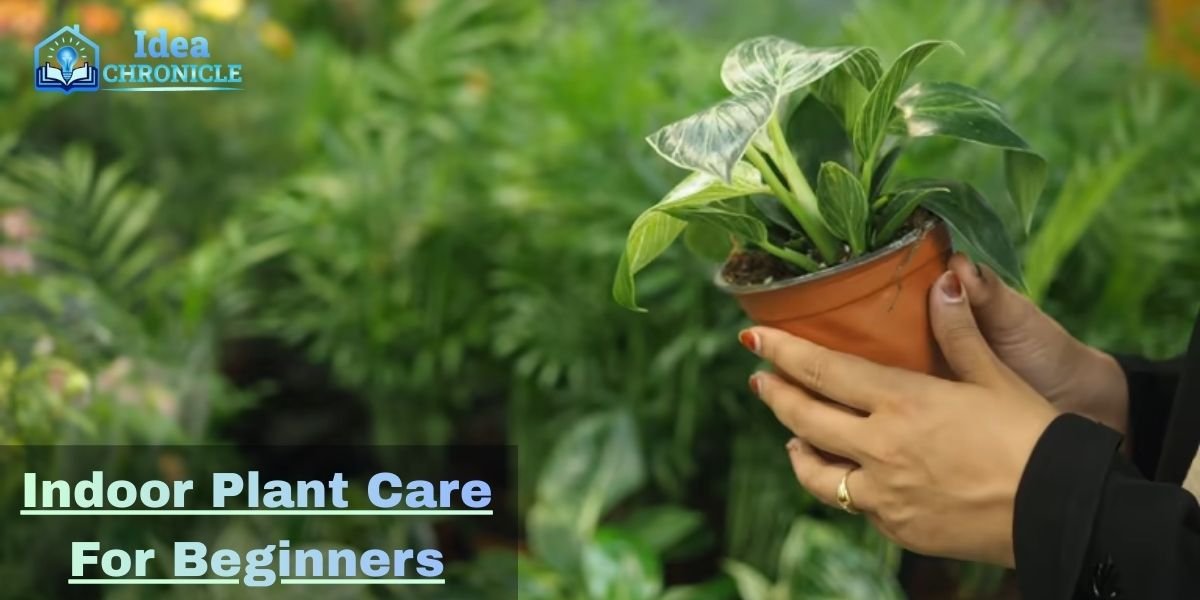
Indoor plants can completely transform a room. Indoor plants turn plain corners into calm green sanctuaries. Busy homes need spaces to add breath. For beginners, though, caring for living plants feels threatening.
It feels like adopting a pet without a manual. Many people have experienced plant decline while caring. They have seen drooping stems and yellow leaves as disappointment. After such a situation, they wonder what went wrong.
The truth is, the indoor plants are not demanding. They follow basic rules that anyone can learn. Once the foundations are clear, the indoor plants become one of the chores. You start taking care of your plants as a satisfying ritual in everyday life.
This guide, “Indoor Plant Care for Beginners,” is designed to be that missing manual. It breaks plant care down into small, practical steps you can follow even if you do not consider yourself naturally “good with plants.”
Instead of vague advice like “don’t overwater” or “give it bright light,” you will explore the checklists that tell you what to look for. You will know how to adjust and how often to do it. Think of each checklist as a simple routine.
A quick light check while moving a plant can make your indoor plants healthier. A five-minute watering check once a week scans for pests and yellowing leaves. A seasonal reset can keep your plants happy as temperatures and daylight change.
One of the struggling parts is knowing if you are doing right as a beginner. Overwatering is one of the common reasons why new plant owners lose them.
It comes from good intentions and negligence. Many plants quietly struggle in the wrong light. The checklists in this blog will help you read the subtle signals: soil that stays soggy, leaves that curl or fade, or dust that blocks light from reaching the plant’s surface.
You will learn how to match the plant to the room, choose pots with proper drainage, recognize when soil needs refreshing, and clean leaves so they can properly take in light and “breathe.”
| Table of Contents Checklist 1: Daily inspect Houseplant Health Checklist 2: Keep up with Watering & Light Routine Checklist 3: Grooming & Cleaning after every month Checklist 4: Reset Seasonal Indoor Plants Checklist 5: Potting & Repotting Basics Checklist 6: Watering Rules for Beginners Checklist 7: plan for Light & Placement Checklist 8: Control Humidity & Temperature Checklist 9: Use Disease & Pest controls Checklist 10: Quarantine New Plant Pick your favorite checklist to start! |
Checklist 1: Daily Inspect Houseplant Health
Daily inspecting houseplant health helps you catch problems early. These problems can turn into serious damage and plant loss. A quick daily check builds habits.
You learn what “normal” looks like for each plant. The things that do any change stand out quickly. This routine takes only a few minutes and prevents issues. It prevents overwatering, pests, and sudden drying of plants.
- Look at leaves and stems for yellowing. Also, spot the holes and drooping.
- Check the lower sides of leaves and new growth for tiny insects.
- Softly feel the top layer of soil to see if it is too wet or dry.
- Rotate pots a little every few days. This helps plants grow evenly toward the light.
| 📍Pro Tip: Keep a simple note in your phone with today’s observations. These patterns over a week or two make it easier to spot what’s working. |
Checklist 2: Keep Up With Watering & Light Routine
For beginners, a balanced light and watering routine is the basis of indoor plants. Water every plant according to the plant’s needs. Instead of watering on a fixed calendar only.
You learn how to match watering to each plant’s needs and how much light it gets. Balanced routines prevent underwatering and overwatering. These are the common causes of plant stress.
- Check soil moisture before watering by feeling. Inspect 1–2 inches down the plant rather than watering on autopilot.
- Give plants the right type of light they’re labeled for. Adjust the distance to the window to medium, bright, and low accordingly.
- Water thoroughly until excess drains out. Empty saucers to avoid root rot.
- Adjust routines seasonally. Frequently checks in hot months and less in winter when growth slows.
| 📍Pro Tip: Use a recurring reminder “water-check day” once a week. To check all plants and only water those whose soil actually needs it |
Checklist 3: Grooming & Cleaning After Every Month
Monthly cleaning and grooming make plants healthier. It makes your space tidier. Crowded and dusty, dead leaves can block light. The dead leaves attract pests and reduce photosynthesis.
A monthly refresh supports new growth. This routine keeps foliage shiny, and you inspect plants more closely.
- With clean scissors or pruners, trim yellow and dead leaves.
- Wipe large leaves gently with a soft, damp cloth. Remove dust to improve light absorption.
- Trim overly long stems to uplift bushier growth.
- Check the soil surface for mold. Remove the debris if needed.
| 📍Pro Tip: Pick one “plant spa day” each month. Line up your plants in the tub and sink to inspect them all in one go. |
Checklist 4: Reset Seasonal Indoor Plants
Indoor plants react to changing seasons. Plants react to climate, light, and humidity shifts. Resetting care with each season helps to adjust. Reset accordingly instead of being shocked by sudden changes.
This means tweaking watering and light positions. Sometimes it takes changing feeding schedules throughout the year.
- Move light-loving plants closer to windows in winter. Use lights while reducing watering as growth slows.
- Protect plants from harsh sunlight in summer. Check soil moisture often in summer.
- Resume regular fertilizing in spring. Consider repotting actively growing plants.
- In the fall, watch humidity levels as heating starts to cut back on fertilizer.
| 📍Pro Tip: Keep a simple seasonal checklist nearby. It will help you remember what to change when the weather shifts. |
Checklist 5: Potting & Repotting Basics
Potting and repotting give roots the space. Healthy soil keeps the plants alive. Roots that are too cramped in exhausted soil can cause slow growth.
They also cause wilting and repeated pests. Repotting is needed only every year for common houseplants.
- Opt for plant containers with drainage holes.
- Repot when roots circle the pot. They grow out of drainage holes while water runs straight through quickly.
- Move only 1–2 sizes up in pot diameter to avoid excess wet soil around roots.
- Use a mix formulated for draining pots for houseplants.
| 📍Pro Tip: Repot during active growing months because plants recover faster from root disturbance |
Checklist 6: Watering Rules For Beginners
In the watering stage, most beginners struggle, but some simple rules make it manageable. Different plants with pot sizes dry out at different speeds.
“One schedule for all” rarely works. Learning to check soil and water deeply but less often is usually safer than constant small sips.
- Always test the soil before watering. Do not rely only on appearance and dates.
- Water thoroughly until the water drains out the bottom.
- Use room-temperature water to keep the roots from being shocked with cold water.
- Know which plants dry out more and which stay in moist soil.
| 📍Pro Tip: For the starting weeks, use a moisture meter. Mark it on a wooden skewer to learn how long your pots stay moist between waterings. |
Checklist 7: Plan For Light & Placement
Light is the real “food” for plants, so placing them correctly is just as important as watering. Every plant has a preferred level of light.
It matches the right window or distance, which makes care easier. Placement of plants also considers drafts. It also affects how you move around your home.
- Identify your window directions. The south and west sides give stronger light, while the north and east are softer.
- Place bright-light plants near windows. Place low-light plants farther back in shady spots.
- Avoid pressing plants against cold windows.
- Move your plants regularly for balanced growth.
| 📍Pro Tip: Take photos of your rooms at different times and angles. Observe light movement and match plants to the spot to see the differences. |
Checklist 8: Control Humidity & Temperature
Indoor plants, especially tropical ones, stay stable in moderate temperatures. Dry indoor air heating or cooling can cause brown leaf tips.
The heating effects cause crispy edges. The temperature swings can shock plants. Keeping conditions steady. They keep plants using water and nutrients.
- Keep most houseplants in rooms that stay at a comfortable and stable home temperature.
- Group plants together to naturally raise humidity in a shared area.
- Use trays and humidifiers for humidity-loving species.
- Avoid placing plants right next to air conditioners or heaters.
| 📍Pro Tip: Place a small digital thermometer near your plant corner. You can see the temperature and humidity rather than guess. |
Checklist 9: Use Disease & Pest Controls
Pests and diseases are a normal part of keeping plants. They are easier to manage when caught early.
Regular checks and quick responses prevent one infested plant from affecting the entire collection. Simple methods work well if started properly.
- Inspect leaves and soil for insects.
- Isolate affected plants from others as soon as you notice a problem.
- Start with mild treatments like wiping leaves.
- Disinfect tools to avoid reusing old potting soil from pests and disease.
| 📍Pro Tip: Keep a small “plant first-aid kit” with gloves. Clean pruners so you can treat issues immediately when you see them. |
Checklist 10: Quarantine New Plant
Quarantining plants prevents your existing plants from diseases and pests. Healthy plants from shops can carry insects.
A short isolation period lets you observe and treat your plants.
- Place new plants in a separate room from the main group for a few weeks.
- Inspect them closely several times. Check their growth.
- Check the soil and drainage of pots.
- Only move the plant into your main collection once it is pest-free and stable.
| 📍Pro Tip: Use quarantine time to learn the plant’s specific needs. Join your main group with a clear care plan without trial and error. |
Pick Your Favorite Checklist To Start!
Balcony gardening is one of the easiest approaches to connect to nature while living in crowded cities. The right choice of recycled containers for plants can add productive changes to your environment.
It can save water and harsh chemicals that support ecosystems. Keep up with the mistakes, like overcrowding plants. Overwatering can affect your gardening process. Learning how to use organic fertilizers is part of the learning process.
As long as you follow the steps and adjust accordingly, you can make a peaceful gardening area. The thoughtful choices and consistent efforts can grow a green space that benefits both you and the planet.