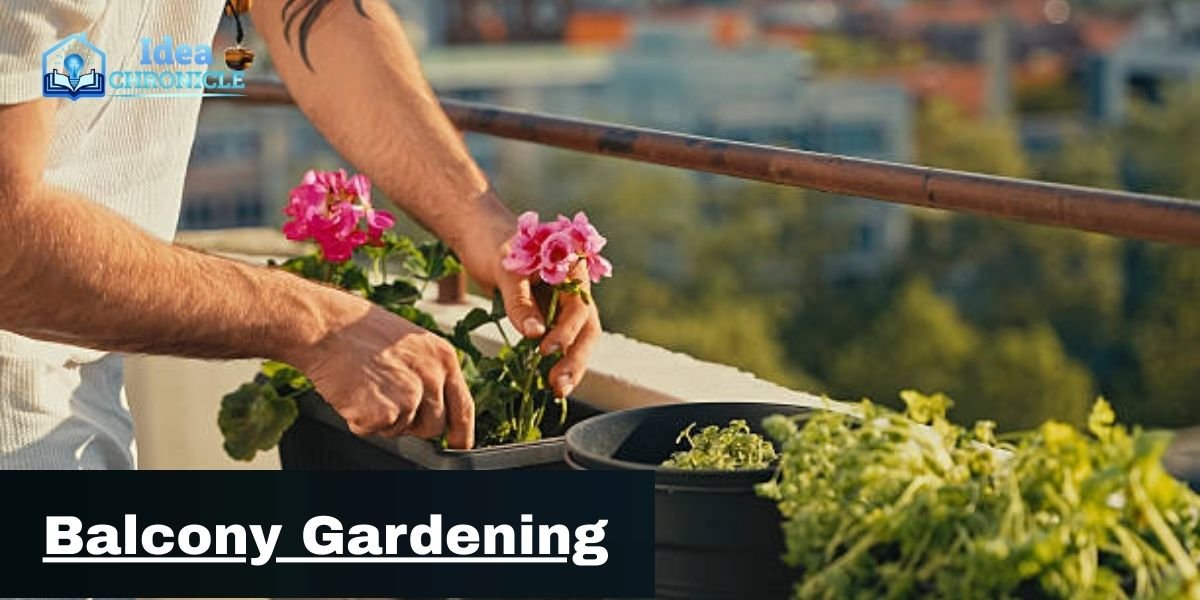
In the fast-moving rhythm of life, a small balcony garden can feel like an escape. A patch of green layer between concrete walls and the hum of urban noise recreates calm.
If it has a few potted herbs swaying in the sunlight or a flourishing vertical wall of ferns reconnects you with nature. Flowers in balcony gardening offer a way to recharge the mind. It even contributes to a more sustainable lifestyle.
Balcony gardening has improved as more people choose eco-friendly living. From a weekend hobby, it has changed to a mindful practice. This hobby has blended sustainably with creativity.
You don’t need acres of land or professional tools to start. All you need is a bit of space. Proper sunlight and the willingness to experiment are the starting points. Growing your mint for morning tea and growing tomatoes brings comfort to the home.
The aroma of flowers adds freshness to the home. It’s not about visual appeal only. It’s about lifestyle choices that represent nature and add life to your daily routine.
Balanced balcony gardening is not just watering and growing plants. It’s about making mindful choices. Local plants adjust to the regional climate. Reprocessing containers is an effective way instead of buying new ones.
You can use fertilized kitchen waste to add natural organics to the soil. These steps reduce environmental pollution and also make gardening easier to maintain the garden.
This blog will guide you to nature-friendly and innovative ideas. This blog will help you create an Eco-Conscious and beautiful balcony garden.
You’ll learn how to select suitable plants for smaller spaces. How to set up effective watering systems while using recycled materials to minimize waste.
We’ll also go through the balcony gardening mistakes. By the end, you’ll have not a greener balcony, but a knowledge of how your choices can leave the best effect on the environment.
| Table of Contents Sun, Space, and Safety of your Balcony Basic Principles of Balanced Balcony Gardening Choose organic Plants Organic soil compost and fertilizers Smart water practices Pest Control and Pollinator Support Reuse, Recycle, and Repurpose Rule Maximum space and design Ideas Balcony Gardening Mistakes to Avoid 1- Start without planning 2- Choosing the wrong plants 3- Underwatering and Overwatering the plants 4- Unsuitable Pots and Soil for Plants 5- Ignoring & Overcrowding plants 6- Neglecting Regular monitoring Start with these steps Today! |
Sun, Space, And Safety Of Your Balcony
The foundation of a balcony garden starts with knowledge of how much sunlight your space needs. It’s about how wide a room you have to safely fit plants.
Proper sunlight encourages growth, while safe railing heights. Stable pots prevent accidents and damage from wind.
- Track the hours of sunlight for each area.
- Avoid placing heavy pots on weak railings. Use stable and wide containers.
- Fix netting to balconies so it can withstand strong winds to protect delicate plants.
- Arrange taller plants at the back. Place smaller ones in front for balanced light.
| 📍Pro Tip: Install a smartphone compass app to find the direction of your balcony. West-side spots have more light. This is great for flowering plants. |
Basic Principles Of Balanced Balcony Gardening
Balanced balcony gardening means combining function and beauty through variety. Using mixed herbs with flowers and foliage plants while understanding their needs.
A balanced ecosystem includes shade plants and sun-lovers. It ensures color and growth throughout the year.
- For visual variety, combine green plants, flowers, and edible plants.
- Place the plants in groups according to their needs.
- Use different container heights to create layers while adding visual depth.
- Regularly rotate plants for even growth.
| 📍Pro Tip: Follow the “thriller rule” on one tall plant, the “filler rule” on medium ones, and the “spiller rule” on low cascading plants for balanced visual appeal. |
Choose Organic Plants
Organic plants grow without artificial pesticides. They grow healthier in the clean air with the organic soil of your home.
The environment of your home also impacts them. They’re safer around pets. Children are safe around them. They are also resilient long term.
- Buy plants labeled “certified organic.” You can also opt for plants with natural compost.
- Don’t buy plants with shiny leaves. Avoid plants with chemical smells; they can have pesticide scraps.
- Reproduce your own plants from healthy organics to expand naturally.
- Support local nurseries with specialization in organic growth.
Organic Soil Compost And Fertilizers
Healthy plants grow with living soil. Organic compost improves the soil naturally. They improve structure with water retention.
They also improve natural diversity. Organic fertilizers are essential for steady plant growth without chemical reactions.
- Food waste from the kitchen is used as natural compost.
- Add cow dung with worm castings for nutrient balance.
- For moisture balance, use a mix of coco peat.
- Avoid artificial fertilizers because they add growth to the plants.
| 📍Pro Tip: Organic homemade compost is more helpful for plants than stored fertilizers. You can repeat it every two weeks. |
Smart Water Practices
Watering a plant is about providing enough humidity without destroying it. Overwatering strangles the plant roots.
Underwatering dries them out. Smart watering is about considering different factors. sunlight season, and plant type all matter.
- Water early morning or evening to prevent evaporation loss.
- Check the soil 1–2 inches below; if dry, it’s time to water.
- Use self-watering pots if you stay busy.
- Group plants with similar water needs to save time.
Pest Control And Pollinator Support
Healthy gardens attract pollinators. Pest controls discourage harmful pests. Organic pest control protects your plants. They also impact the environment.
- Use neem oil spray to control aphids. You can use soapy water for mealybug control.
- Keep open airflow to control fungus growth.
- Grow biodiverse plants.
- Avoid chemical pest controls. They harm beneficial insects.
| 📍Pro Tip: Introduce companion plants, like basil, near tomatoes. They repel pests naturally while boosting flavor. |
Reuse, Recycle, And Repurpose Rule
Eco-friendly gardening saves money. It also reduces waste. You can use containers and plastic bottles for functional plants and Indoor plants in small spaces.
Wooden crates can become creative for different plants. It’s all about repurposing daily materials beautifully.
- Use tins and glass bottles as plant holders.
- Reuse bottles for watering the plants.
- Reuse wooden pieces in gardens for planting
- Use rainwater for eco-friendly watering.
| 📍Pro Tip: Try “pot layering”, insert a smaller pot into a large decorative container lined with reused materials for lighter weight and easy replacement. |
Maximum Space And Design Ideas
Limited space? Go vertical and modular. Small balconies can look lush with shelves. You can hang baskets while maintaining access.
- Use railing planters. Wall-mounted shelves give a scenic look
- Hang small herb pots at eye level. It will promote convenience.
- Add a mirror or bright backdrop to expand perceived space.
- Choose narrow furniture or foldable plant stands.
Balcony Gardening Mistakes To Avoid
1- Start Without Planning
Jumping into planting without proper space and light will lead you to disappointment. A clear plan prevents chaos. It helps plants thrive.
- Sketch your balcony layout first.
- Note light exposure zones.
- Choose planters by weight and stability.
| 📍Pro Tip: Treat your balcony like a mini landscape project; planning avoids later regrets. |
2- Choosing The Wrong Plants
Not all plants survive under the same conditions. Sunlight demands are different in different plants. Some plants die in shade. Few plants are moisture lovers that rot in drought.
- Observe sunlight before choosing species.
- Select hardy plants like succulents because they need low maintenance.
- Buy local varieties suited to your climate changes.
| 📍Pro Tip: Always start with 3–5 easy plants before expanding your collection. |
3- Underwatering And Overwatering The Plants
Uneven watering is the common killer of balcony plants. The drooping happens in plants due to underwatering.
- Use pots with holes for water drainage.
- Adjust density with seasonal changes.
- Watch for yellowing leaves that happen because of overwatering.
| 📍Pro Tip: Install moisture meters or use lightweight soil to maintain ideal hydration. |
4- Unsuitable Pots And Soil For Plants
Choosing the wrong pots or poor soil suffocates roots or causes stunted growth.
- Use porous materials like terracotta.
- Match pot size to plant growth rate.
- Mix sand with natural compost for discharge.
| 📍Pro Tip: Layer crushed rocks at the bottom of pots to prevent choking. |
5- Ignoring & Overcrowding Plants
Placing too many plants reduces airflow. It attracts pests and causes fungus.
- Leave enough gap between pots for ventilation.
- Separate diseased plants immediately.
- Rotate pots every week for even light.
| 📍Pro Tip: Follow the “one-hand rule”; there should be at least a hand’s width between plant pots. |
6- Neglecting Regular Monitoring
Plants need observation just like pets; catching issues early avoids irreversible damage.
- Inspect leaves weekly for discoloration or pests.
- Trim dead leaves regularly.
- Refresh soil every 3-6 months.
| 📍Pro Tip: Snap photos weekly, visual progress helps you spot signs of stress early. |
Start With These Steps Today!
Start your balcony garden because it doesn’t need perfection. You just need to stay persistent. Begin small with 3–4 pots.
Observe sunlight patterns. Water your plants when you feel like it’s drying. Enjoy the process as your corner of green grows.
- Pick your first few hardy plants.
- Set a morning watering reminder.
- Reuse containers lying around.
- Keep learning from your plants’ behavior. They’ll “tell” you what they need.
Gardening is therapy; start today, adjust often, and celebrate small wins with every new leaf!