There’s a specific kind of quiet that only happens outside. Not silence, exactly—more like a softer version of the world. Leaves moving, distant sounds, the occasional breeze. You step onto your patio, thinking you’ll stay a few minutes. And then, depending on where you sit, that moment either stretches… or ends quickly.
Backyard comfort isn’t just about decorating an outdoor space. It’s about how your body reacts once you’re there. Whether you linger, shift constantly, or go back inside without thinking twice.
And more often than not, that comes down to one simple factor: seating.
The difference between sitting and settling in
Most patios are equipped with standard furniture—chairs around a table, maybe a bench, sometimes a low sofa. These setups work well for meals or short conversations. But after a while, something subtle happens: shoulders tense, legs reposition, backs lean awkwardly.
It’s not discomfort in a dramatic sense. It’s quieter than that. Just enough to make you aware that you’re not fully at ease.
This is where reclining seating changes the dynamic. By allowing the body to shift into a more natural position, it removes that low-level tension. The spine relaxes, weight distributes more evenly, and breathing slows down without effort.
It’s not about luxury. It’s about duration. You don’t just sit—you stay.
Why posture matters more outdoors than you think
Indoors, we’re used to adjusting constantly. Sofas, cushions, armrests—we compensate without realizing it. Outside, the environment is less forgiving. Surfaces are firmer, materials are more exposed, and there’s less opportunity to “fix” a bad position.
That’s why posture plays a bigger role outdoors. A chair that doesn’t support the body properly becomes noticeable much faster.
Recliners address this by offering multiple angles. You’re not locked into one rigid posture. Whether you’re reading, checking your phone, or simply closing your eyes for a few minutes, the chair adapts instead of forcing you to adapt.
It’s a small shift, but it changes how the space is experienced.
The mechanics behind real outdoor comfort
Comfort in outdoor furniture isn’t just about adding cushions. In fact, overly padded seating can sometimes work against long-term use, especially in warm weather.
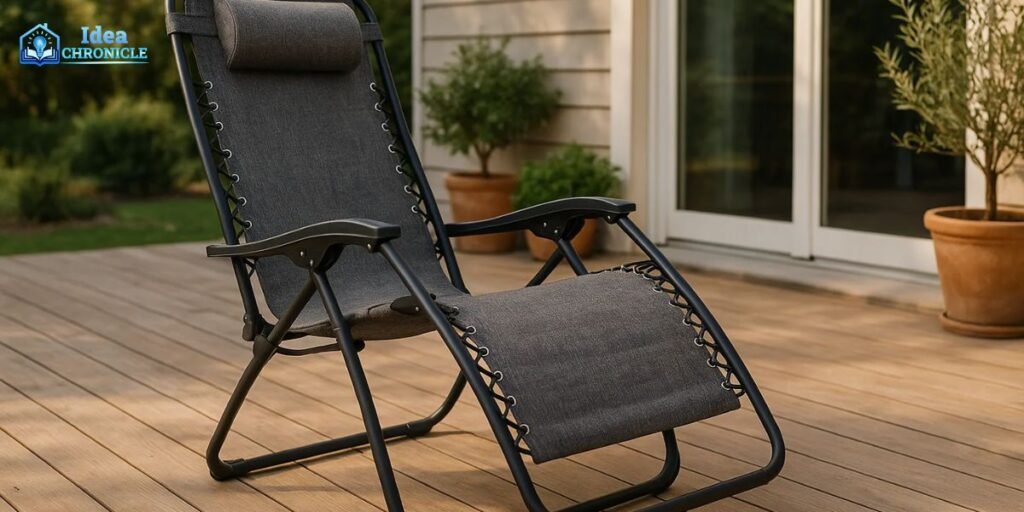
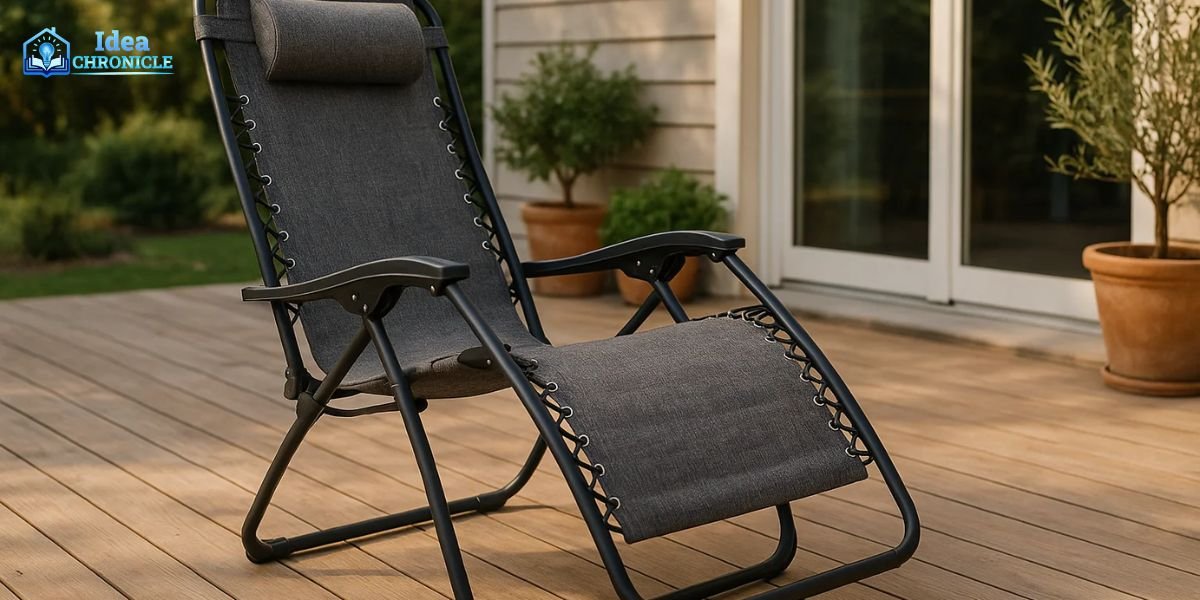
Well-designed recliners rely on a different approach. Instead of rigid surfaces, they often use tensioned fabrics that follow the body’s shape. This creates a slight suspension effect—subtle, but enough to reduce pressure points.
Materials also play a key role. Breathable textiles prevent heat buildup. Lightweight frames make repositioning easy. And corrosion-resistant structures ensure the chair remains stable over time.
For instance, a thoughtfully engineered outdoor recliner typically combines these elements without drawing attention to them. You don’t necessarily notice why it’s comfortable—you just notice that you haven’t moved in a while.
Adapting to real-life outdoor habits
Outdoor spaces are rarely static. Sun exposure changes throughout the day. Shade shifts. The way people use their patio evolves depending on the moment.
Morning coffee, afternoon breaks, evening conversations—each situation calls for a slightly different posture.
This is where flexibility becomes essential. A fixed chair can only do so much. A recliner, on the other hand, adjusts effortlessly:
- More upright for eating or talking
- Slightly tilted for reading or scrolling
- Fully reclined for resting or napping
It’s not about maximizing features. It’s about matching real usage without overthinking it.
Small spaces benefit the most
There’s a common assumption that recliners are best suited for large gardens or poolside setups. In reality, they often make the biggest difference in smaller spaces.
On a balcony, for example, every piece of furniture needs to justify its presence. A chair that only serves one purpose can feel limiting. But a reclining seat replaces multiple functions in one footprint.
Urban terraces face a similar challenge. Space is valuable, and flexibility becomes a priority. Lightweight, foldable recliners can be moved, stored, or repositioned depending on the moment.
It’s less about size and more about versatility.
A quiet shift in outdoor living
Over the past few years, outdoor spaces have evolved. They’re no longer reserved for occasional use or special occasions. They’ve become extensions of everyday life.
People work outside, take calls, read, rest, even spend entire afternoons without going back indoors. This shift has raised expectations—not in terms of design alone, but in terms of comfort.
Furniture that once felt “good enough” now reveals its limits. The longer you stay outside, the more those limits become noticeable.
Recliners fit naturally into this evolution. Not as a statement piece, but as a practical response to how outdoor spaces are actually used today.
Durability is part of the experience
Comfort isn’t just about the first impression. It’s about consistency over time.
Outdoor furniture faces constant exposure—sunlight, moisture, temperature changes. Materials expand, fade, or weaken if they’re not designed to handle these conditions.
Modern recliners often integrate technical fabrics that resist UV damage while remaining breathable. Frames are built to withstand corrosion without becoming heavy or difficult to handle.
There’s also a growing focus on longevity beyond durability. Repairability, for example, is becoming more relevant. Being able to replace a fabric panel or a component extends the lifespan of the chair significantly.
It’s a quieter form of sustainability—less about messaging, more about practical use.
Comfort shapes behavior
One of the most overlooked aspects of outdoor design is how comfort influences behavior.
When seating is average, people tend to use the space in short bursts. A quick coffee, a short conversation, then back inside. But when comfort improves, something changes.
Time stretches.
You read longer. Conversations become less rushed. Even moments of inactivity—just sitting, observing—start to feel natural instead of transitional.
This shift doesn’t happen consciously. It’s gradual. But over time, it redefines the way the space is lived in.
Not all recliners feel the same
It’s worth noting that not every reclining chair delivers the same experience. Some prioritize design over comfort, others focus on functionality but lack durability.
A well-balanced recliner doesn’t try to stand out too much. It integrates quietly into the environment while offering consistent support.
There’s also a difference in how adjustments are handled. Smooth, intuitive mechanisms tend to disappear in use, while more rigid systems can interrupt the experience.
These details might seem minor at first. But over time, they define whether a chair becomes your go-to spot—or just another piece of furniture.
Questions fréquentes
What is an outdoor recliner?
An outdoor recliner is a chair designed for exterior use that allows adjustable seating positions for greater comfort.
It differs from standard patio chairs by offering multiple reclining angles, which support the body more naturally. Most models are made with weather-resistant materials to handle sun, humidity, and temperature changes. The goal is to combine durability with long-lasting comfort outdoors.
How do you choose the right outdoor recliner?
Focus on ergonomic support, material quality, and ease of use.
Look for breathable fabrics, stable frames, and a reclining mechanism that feels smooth. If you plan to move or store it frequently, a lightweight or foldable design can help. It’s also worth considering how the chair performs after extended use, not just initial comfort.
Is an outdoor recliner suitable for small patios or balconies?
Yes, many outdoor recliners are designed to work well in compact spaces.
Some models are foldable or easy to reposition, making them practical for smaller areas. A single recliner can often replace multiple static chairs by offering more flexibility. It becomes a versatile seating option without overcrowding the space.
What’s the difference between a recliner and a lounge chair?
A recliner is adjustable, while a lounge chair usually has a fixed position.
Recliners allow you to adapt your posture depending on your activity, from sitting upright to lying back. Lounge chairs are designed for a specific angle, often focused on sunbathing or resting. The choice depends on how much flexibility you want in your seating.
How do you maintain an outdoor recliner?
Basic cleaning and proper storage are usually enough to maintain it.
Most recliners can be cleaned with mild soap and water to remove dust or stains. During harsh weather, storing them under cover can help extend their lifespan. If the design allows, replacing worn parts instead of the entire chair is often possible.