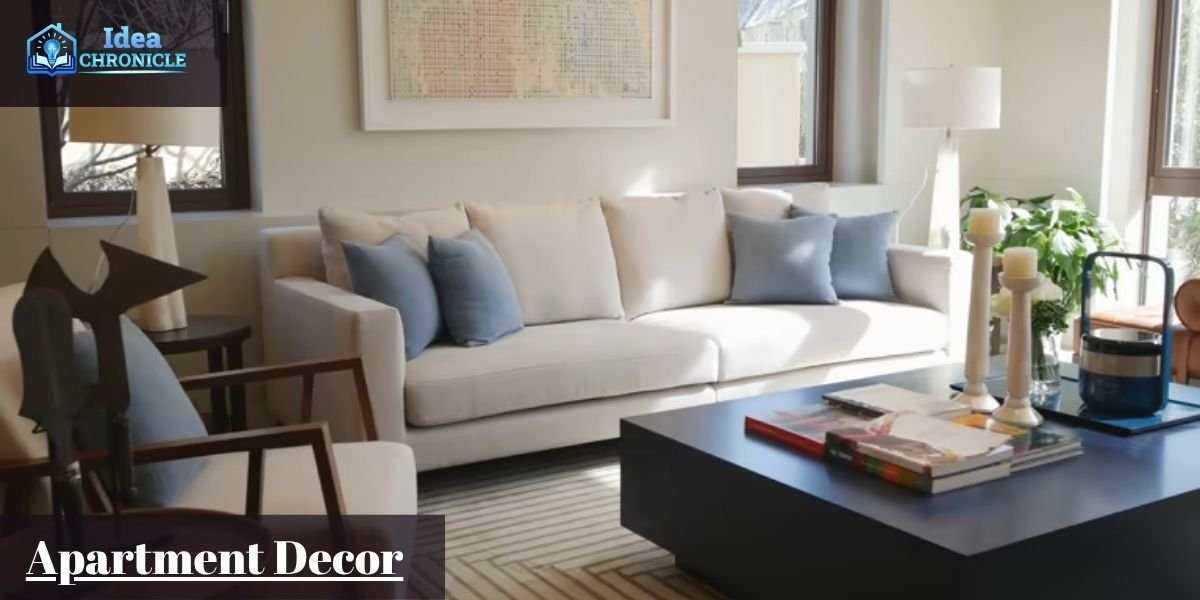
Are you struggling to make your apartment feel like a home without risking your security deposit? Many renters feel trapped by white walls and beige carpets, wondering if it is even possible to create a stylish interior when you aren’t allowed to pick up a drill or a paintbrush. You might be asking yourself how to fix a cramped layout or how to add personality to a space that feels temporary and strictly functional.
This guide provides a strategic roadmap for transforming a standard rental into a high-end living space. We will move past the basic “buy this advice”, and instead look at the mechanics of interior design focusing on scale, lighting layers, and damage-free modifications. By understanding the specific limitations of apartment living, you can move from a cluttered dorm-room aesthetic to a curated home that looks expensive but remains entirely reversible.
Why Most Budget Apartment Decor Ends Up Looking Cheap
When decorating on a budget, the transition from thrifty to cheap usually happens because of a lack of cohesion. Many dwellers make the mistake of buying small, disconnected items over time, which eventually creates visual noise rather than a design statement.
- Buying matching sets of furniture that look like they came straight from a showroom floor
- Using too many small decorative objects that create micro-clutter on every flat surface
- Relying solely on the harsh, integrated overhead lighting provided by the landlord
- Neglecting the scale of the room, such as choosing a rug that is far too small for the seating area
- Leaving plastic or temporary finishes visible, like unfinished particle board or wire shelving
The secret to avoiding these pitfalls lies in intentionality. Instead of filling gaps with inexpensive trinkets, focus on the architectural bones of the room. A single, well-placed oversized item often carries more perceived value than ten smaller pieces.
Understand Apartment Limitations Before You Decorate
Before you begin selecting textiles or furniture, it is vital to acknowledge the physical and legal boundaries of a rental agreement. US apartment buildings, especially those managed by large corporations often have strict restoration clauses. These guidelines are designed to make the unit easy to flip for the next tenant, which often leaves you with a blank box that feels sterile.
Common constraints found in American apartment living include:
- Strict no-drilling policies that forbid wall-mounted shelving or heavy mirrors
- Standardized off-white or eggshell paint that cannot be changed without a fee
- Limited square footage that requires every piece of furniture to justify its footprint
- A lack of built-in overhead lighting in bedrooms or living areas
- Fixed flooring, often consisting of low-pile renter’s carpet or laminate wood
Approaching your decor with these rules in mind prevents you from wasting money on items you will be forced to remove or pay for later. The goal is to work with the architecture of the building rather than fighting against it.
Plan and Fix Your Layout at First
The most common issue in apartments is not the decor itself, but the flow of the room. Many people instinctively push all their furniture against the walls to save space, but this actually highlights the smallness of the room and makes the interior feel hollow. You must treat the floor plan as a technical puzzle, identifying natural walkways and focal points before a single item is purchased.
Proper planning involves floating furniture away from walls when possible to create a more intimate seating area. This technique uses the furniture itself to define the boundaries of a room within a room in a larger open-plan space. It is important to measure your primary walkways ensuring at least 30 to 36 inches of clearance so the apartment feels navigable rather than cramped.
Choose a Simple Color Direction
In a rental, you are often stuck with neutral walls and floors. Instead of trying to overwhelm these tones with too many competing colors, expert designers use a 60-30-10 rule to maintain balance. This involves choosing a primary neutral (60%), a secondary coordinating color (30%), and a bold accent color (10%).
For most apartments, sticking to a palette of warm woods, soft greys, and matte black accents creates a grounded, professional look.
For a modern US apartment feel, consider a tonal neutral direction. This uses various shades of the same color like oatmeal, sand, and cream to add depth through texture rather than high-contrast pigment. This approach makes small rooms feel airier and more expansive while hiding the fact that you haven’t repainted the walls.
Focus on Lighting to Instantly Upgrade Your Apartment
Landlord-grade lighting is notoriously cold and unflattering, often relying on a single boob light in the center of the ceiling. To upgrade your apartment instantly, you must ignore the overhead switch and create light layers. This means distributing light sources at different heights throughout the room to eliminate dark corners and soften the atmosphere.
| Lighting Type | Best Use Case | Recommended Fix |
| Ambient | General visibility | Use tall floor lamps with linen shades to diffuse light |
| Task | Reading or cooking | Plug-in LED strips under kitchen cabinets or a heavy desk lamp |
| Accent | Creating mood | Small battery-powered puck lights inside bookshelves |
Always opt for warm white bulbs (2700K to 3000K) to avoid the clinical feel of daylight bulbs. This simple swap changes the entire chemical feel of the room as evening approaches.
Use Fewer Decor Items But Make Them Bigger
One of the most effective ways to make a budget space look premium is to embrace the gallery scale. Instead of a dozen small picture frames, use one massive canvas. Instead of five tiny succulents on a windowsill, use one large Fiddle Leaf Fig in the corner. Larger items suggest permanence and luxury, whereas small items suggest a lack of storage.
Focus your budget on anchor pieces like a substantial floor mirror or a large-format area rug. These items act as visual weight, drawing the eye away from rental-grade carpet or plain walls. When the few things you own are significant in size, the room feels intentionally designed rather than accidentally filled.
High-Impact, Low-Cost Decor Items for Any Apartment
When you are working within a tight budget, you cannot afford to buy items that do not serve a clear visual purpose. Every addition should either solve a functional problem or provide a significant aesthetic upgrade to the room. By focusing on a few key categories, you can create a high-end feel using items that are widely available and affordable.
Decorative Cushions and Throws
Textiles are the easiest way to soften the hard lines of a rental and hide a generic sofa. To avoid a cluttered look, mix different textures rather than different patterns. Pair a chunky knit throw with smooth velvet cushions to add depth to your seating area.
In the US, brands like West Elm or Crate & Barrel often have outlet sections where you can find high-quality linen covers that look far more expensive than standard polyester versions.
Wall Art and DIY Frames
Empty walls make an apartment feel temporary and cold. You do not need original oil paintings to create a gallery feel. Look for digital art prints on sites like Etsy that you can print locally at a UPS Store or FedEx Office for a few dollars.
One of the key decoration secrets is the framing. Avoid cheap plastic frames and instead look for solid wood frames or matte black metal options on Amazon or eBay. A large-format 24×36 inch frame with a wide white mat will make even a simple line drawing look like a curated piece of art.
Mirrors to Create Space Illusion
Mirrors are the ultimate tool for small apartment living because they physically bounce light and create the illusion of depth. A large floor mirror leaning against a wall is a classic designer trick to make a cramped living room feel twice as large.
Some highly rated options like the NeuType Full Length Mirror or the H&A Arched Mirror on Amazon are popular for their thin minimalist frames. Placing a mirror opposite a window is the most effective way to brighten a dark rental unit.
Indoor Plants or Artificial Greenery
Adding organic shapes breaks up the boxy feel of apartment architecture. If your unit lacks natural light, high-quality artificial greenery from places like Target or IKEA can provide the same visual benefit without the maintenance.
For those with a green thumb, a tall Snake Plant or a ZZ Plant are excellent choices for US apartments because they thrive in low light and help purify the air in small enclosed spaces.
Rugs and Floor Mats
A rug is the most important tool for defining zones in an open-concept apartment. Most renters choose a rug that is too small, which makes the furniture look like it is floating. Ensure your rug is large enough so that at least the front legs of your sofa and chairs sit on top of it.
Ruggable has become a staple for US renters because their rugs are machine-washable and come in modern low-profile designs that won’t interfere with door clearances.
Curtains and Fabric Decor
Standard plastic blinds are a hallmark of cheap apartment decor. Replacing them with floor-to-ceiling curtains instantly elevates the room and makes the ceilings appear taller. Use a tension rod if you aren’t allowed to drill and choose a heavyweight linen or blackout fabric.
Hanging the rod a few inches higher than the actual window frame creates a more dramatic architectural look that masks the basic window construction.
Use Smart Furniture That Also Solves Problems
In a small footprint, every piece of furniture must earn its keep by offering more than one function. Multifunctional furniture is the backbone of a successful apartment layout. Look for coffee tables with lift-top mechanisms that turn into a desk or an ottoman that opens up to reveal internal storage for extra blankets.
Small-space specialists like IKEA or Wayfair offer apartment-sized sofas and slim-profile consoles that provide the utility of full-sized furniture without overwhelming the room.
A drop-leaf table is another excellent investment for renters as it can function as a slim console against a wall and expand into a full dining table when you have guests.
Decorate Your Walls Without Damaging Them
The biggest hurdle for renters is the fear of losing a security deposit over wall damage. Fortunately, there are professional-grade solutions that allow for a full gallery wall without a single hole.Command Picture Hanging Strips are the industry standard using a hook-and-loop system that pulls away cleanly from eggshell paint. For heavier items like mirrors or clocks, look for no-drill hercules hooks that slide behind the drywall with minimal impact.
Another expert tip is using removable peel-and-stick wallpaper to create an accent wall. This adds color and pattern that can be peeled off in seconds when your lease ends leaving the original paint perfectly intact.
Use Vertical Space Like an Expert
When you run out of floor space, look up. Utilizing vertical real estate is what separates a cluttered apartment from an organized one. Tall narrow bookshelves and over-the-door organizers take advantage of the unused height in a room. This approach draws the eye upward making the ceilings feel higher and the room feel less crowded.
The floating shelves installed with heavy-duty adhesive can turn a blank wall into a functional library or a display for decorative ceramics keeping your surfaces clear of micro-clutter.
Hidden Storage Ideas to Reduce Clutter
Storage is the most common pain point in apartment living. The key is to find dead space and convert it into a storage zone. Use under-bed containers with wheels to store out-of-season clothing or extra linens.
In the kitchen, add a magnetic spice rack to the side of the refrigerator or use tiered organizers inside deep cabinets to prevent stacking.
For the bathroom, a space saver cabinet that fits over the toilet tank provides multiple shelves of storage for towels and toiletries without taking up any additional floor area.
Mix Cheap Items With One Premium-Looking Piece
You do not need a massive budget to make a room look expensive. You just need one investment piece to act as a focal point. Designers call this the high-low mix. You might have an inexpensive rug and a secondhand coffee table, but if you pair them with a high-quality leather armchair or a designer floor lamp, the entire room is elevated by association.
Place your premium item in the spot where the eye naturally lands when entering the room. This could be a genuine marble-top side table or a heavy hand-woven wool throw. The tactile quality of one real material like stone, solid wood, or leather tricks the brain into perceiving the surrounding budget items as higher quality.
Create Small Zones Instead of One Messy Space
In a typical American open-plan apartment, the lack of walls can lead to a disorganized and chaotic feel. To fix this, you must treat a single room as several distinct functional zones. Use your furniture to act as a divider. For example, placing the back of your sofa toward the kitchen area creates a clear boundary between the living room and the dining space.
Rugs are the most effective tool for anchoring these zones. A large rug under the dining table and a separate one under the seating area tell the eye that these are two different rooms even if they share the same floor. You can also use strategic lighting to define these areas. A tall floor lamp next to an armchair creates a reading nook, while a smaller lamp on a sideboard defines an entryway.
Add Personality Without Creating Clutter
Adding a personal touch to your interior does not mean covering every surface with trinkets. To maintain a high-end aesthetic, focus on a few meaningful collections rather than scattered objects. Grouping items together on a tray is a professional design trick that turns three separate pieces into one singular visual unit. This approach prevents the surface from looking messy while still allowing you to display your favorite books or ceramics.
Instead of buying small knick-knacks, look for ways to incorporate personality through functional decor. A stack of coffee table books related to your hobbies or a vintage ceramic bowl for your keys adds character without taking up unnecessary space. The goal is to keep your surfaces clear enough that the architecture of the furniture remains visible.
Small Changes That Make a Big Visual Difference
You do not need a full renovation to change the vibe of your apartment. Often, the most impactful upgrades are the smallest ones that you interact with every day. Focus on these key changes to quickly improve your interior:
- Update Your Hardware: Replacing basic plastic or silver cabinet knobs with matte black or brushed brass handles instantly modernizes a rental kitchen.
- Switch Your Switchplates: Replace standard white plastic light switch covers with decorative metal or wood versions that match your color palette.
- Elevate Your Entryway: Adding a slim console table and a small mirror near the door creates an immediate sense of home when you walk in.
- Unified Hangers: Using matching velvet or wooden hangers in an open closet makes the entire bedroom look more organized and expensive.
- Hide the Cords: Use cable management boxes or adhesive clips to tuck away wires behind your TV and desk to remove visual static.
Keep Your Apartment Looking Clean
Maintaining a clean apartment is just as important as the decor itself. In a small space, even a tiny amount of clutter or dust is magnified. A professional guide to a better-looking interior always includes a plan for daily maintenance. If the surfaces are covered in mail or dirty dishes, even the most expensive furniture will look cheap.
Focus on a clear surface policy. Before you go to bed, ensure that your kitchen counters and coffee table are wiped down and free of items that do not belong there. Investing in attractive storage bins for things like remote controls or pet toys ensures that everything has a home.
A clean, well-maintained apartment highlights your design choices rather than hiding them under a layer of mess.
Creative DIY Decor Ideas to Avoid Buying New Items
You can create a custom look without spending money on new mass-produced items. DIY projects allow you to tailor your decor to the specific dimensions of your apartment while adding a unique, hand-crafted feel to the space.
Handmade Wall Art
You do not need to be an artist to create high-impact wall decor. Consider framing large pieces of textured fabric or high-quality wrapping paper.
For a more modern look, you can create plaster art by applying joint compound to a canvas in abstract strokes and painting it a single neutral color. This adds architectural texture to your walls without the high price tag of gallery art.
Upcycling Old Furniture
If you have basic furniture from a previous move, a simple face-lift can make it look brand new. Sanding down a wooden table and applying a darker walnut stain can take it from looking dated to mid-century modern.
For metal items like floor lamps or chair legs, a coat of matte black spray paint provides a sleek, industrial finish that looks professional and intentional.
DIY Lighting and Lamps
Standard lampshades can be easily customized to fit your color direction. You can cover a plain white shade with linen fabric or even use a thick jute rope to wrap the base of a lamp for a more organic, coastal feel.
Another popular project is creating wireless sconces by mounting a traditional light fixture to the wall and using a battery-powered puck light inside instead of hard-wiring it.
Reusing Everyday Items as Decor
Look at items you already own with a designer’s eye. A vintage glass bottle can become a beautiful bud vase, and an old wooden ladder can be leaned against a wall to act as a blanket rack.
Even glass jars from the grocery store can be cleaned and used to organize dry goods in the kitchen, creating a unified and custom pantry look.
Mistakes to Avoid If You Don’t Want a Cheap Look
To keep your apartment looking attractive and professional, avoid these common design errors that often scream temporary living.
- The Floating Rug: Avoid a rug that is so small it doesn’t touch any furniture; it makes the room look disjointed.
- Over-reliance on Posters: Avoid hanging unframed posters or using blue tack; always use a frame to give the paper weight and importance.
- Clinging to the Past: Do not keep furniture that is broken or placeholder items that you no longer like; it is better to have an empty space than a piece that ruins the aesthetic.
- Ignoring the Hallway: Many people forget to decorate their hallways, which makes the transition between rooms feel cold and unfinished.
- Too Much Matching: Avoid buying every piece of furniture from the same collection; a mix of textures and styles looks more curated and expensive.
Final Thought
Creating a stylish apartment on a budget is entirely about the quality of your decisions rather than the size of your wallet. Even with the strict limitations of a rental agreement, you can build a home that feels permanent, professional, and personal.
By focusing on scale, lighting, and smart storage, you turn a generic building unit into a high-impact interior that reflects your taste without causing any permanent damage.
The best selection of the right items, even those found at thrift stores or discount retailers, can make your space look curated by an expert. Remember that apartment living is a unique challenge that requires a balance of beauty and utility.
With the right strategic approach, your budget apartment will not just look better but will function as a true sanctuary that grows with you.