Small gardens can feel like a limitation. They are actually an opportunity to design a space that looks and feels more personal than many larger yards. With the right layout, you can design smart. A few tricks can make a slim side yard.
A tiny patio or compact front garden can be a lush space that adds real style. They even add value to any home.
Vertical choices save space for indoor plants and furniture. The careful editing calms instead of cramming. A small plot can become a calm, functional extension of your living room.
In this blog, the focus is on practical ideas that any home can use. The goal is to grow herbs on a balcony to create a calm corner. The inspiration is to make an inviting dining spot on a narrow terrace.
The following ideas will help you add smart layout strategies. Your compact outdoor space can become the most loved “room” in your home. It proves that good design is about intention, not size.
| Table of Contents 1- Greening Spaces: Go vertical 2- Use Tiered & Container Planters 3- Define Zones in a small space 4- Limit your Corners & Edges 5- Place Multifunctional furniture 6- Use Layouts and Raised Beds 7- Create a Focal Point & Feature Seating 8- Design for privacy 9- play Mirrors, Light, and Colors 10- Maintain a Clutter-free Balcony Start today with your favourite ideas! |
1- Greening Spaces: Go Vertical
Greening spaces with vertical gardening turns fences, blocks, and walls into living features.
They allow you to grow more plants without compromising on floor space. It works beautifully on balconies. You can also design it in tiny yards.
They help soften hard surfaces. They add depth and privacy. design it as a hanging garden. You can hang it as a piece of artwork instead of layering it on the ground.
- Use wall-attached planters. You can use hanging pots for different plants. You can plant herbs and flowers.
- Train climbers such as jasmine for trellises. You can use beans on railings.
- Try a living wall panel for dense greenery. A pallet garden can be used in one spot.
- Combine upright plants like grasses with trailing varieties. They add layered texture.
| 📍Pro Tip: Start with one feature vertical panel near your seating. You can also start from the door, and you see and enjoy the greenery every day. It makes upkeep more rewarding. |
2- Use Tiered & Container Planters
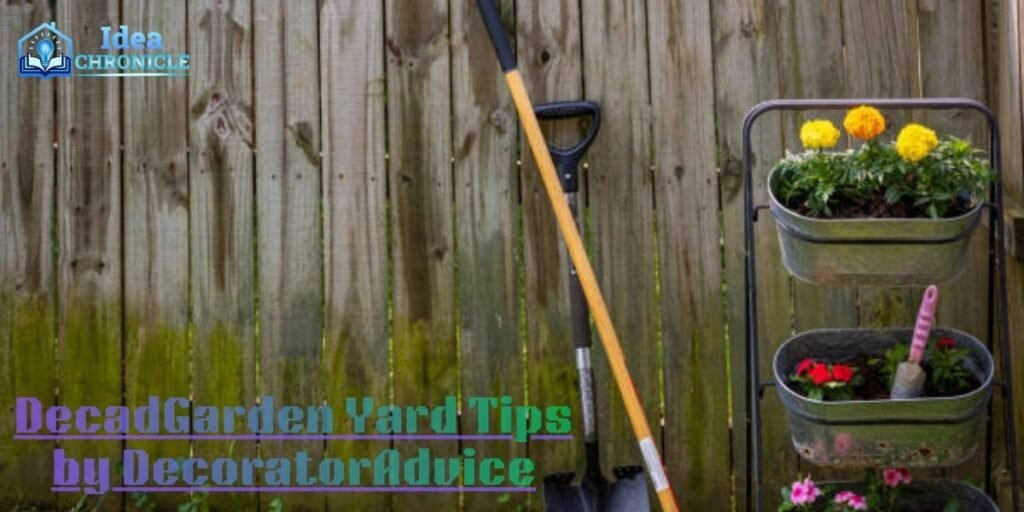
Tiered planters let you stack plants upwards. container planters, move them around in your space. You can rotate the direction the light changes. They are perfect for renters. Small homeowners add them for structure.
They add color and function without permanent construction. Mixing pot sizes and heights creates depth even on a tiny balcony. You can set these tired planters on the porch.
- Use tiered plant stands in a smaller floor area.
- Use step-style shelves to fit more pots.
- Group containers according to water and light needs. It makes care simple.
- Choose compact and tiny varieties of herbs.
- Place flowers and veggies in pots.
- Place larger containers at the back
- Place smaller ones in front to avoid blocking light.
| 📍Pro Tip: Stick to one to two main pot colors. It helps the plants stand out. The space feels calm without clutter. |
3- Define Zones In A Small Space
Even in a small garden, defining zones makes the area feel intentional instead of random. You can define zones for grow, sit, and store.
Clear zones help you use every inch wisely. They create the feeling of separate “rooms” outdoors. This tricks the eye into reading the space as larger.
Simple changes in flooring and furniture can do the job. The plant placement at height also makes a noticeable difference.
- Create a tiny dining or coffee zone with a bistro set near the door.
- Use raised beds or planters along edges to form a growing zone.
- Mark lounges spots with an outdoor rug.
- You can change in ground material.
- Use planters to visually separate areas.
- Use trellises instead of walls without closing them in.
| 📍Pro Tip: Sketch a quick top-view plan before buying anything. Deciding zones on paper first prevents impulse buys that don’t fit. |
4- Limit Your Corners & Edges
In small gardens, cluttered corners with fussy edging can chop the space into tiny bits. It makes the garden feel cramped.
Simplifying corners while keeping edges clean helps the eye travel. They smoothly expand the area visually. Using a few strong shapes instead of many small pieces keeps maintenance easier, too.
- Avoid lots of tiny pots scattered around corners; use one bolder planter or feature instead.
- Use continuous edging or low plants to define beds rather than many different border styles.
- Keep pathways and bed lines simple and gently curved or straight, not overly zigzag.
- Turn one corner into a feature.
- small water feature with statement planter, keep others tidy.
| 📍Pro Tip: If a corner collects random items, give it a single intentional purpose: “shade plants only” or “storage only”. remove everything that doesn’t match. |
5- Place Multifunctional Furniture
Multifunctional furniture saves wide space by doing double duty. They provide seating plus storage. You can have tables that fold away when not needed.
The right pieces turn a tiny balcony into a flexible place. You can relax and eat in the yard without feeling crowded. Comfort plus compactness is the key.
- Opt for benches with built-in storage for cushions.
- Use foldable chairs. Use stackable tables that you can tuck away when the space is limited.
- Give a try to a narrow bench along a boundary instead of bulky chairs in the middle.
- Use side tables that can double as stands for extra seating.
| 📍Pro Tip: Before buying the furniture, measure the footprint on the floor. If you can’t walk around comfortably, size down and use a folding option. |
6- Use Layouts And Raised Beds
Good layout with raised beds makes a small garden more productive. It is easier to maintain. It adds visual appeal. Raised beds clearly define planting areas.
They improve soil and drainage. They can double as subtle dividers between zones. A planned layout of paths with defined bed zones stops the “scatter” effect that shrinks a space.
- Arrange narrow beds with simple paths between them.
- Keep raised beds about 3–4 feet wide. Then you can reach the center from both sides without stepping in.
- Use raised beds along edges to frame the space. They leave the middle space open.
- Attach trellises to the backs of beds to add a vertical growing area.
| 📍Pro Tip: Match bed shapes to your space; long and narrow beds along fences often work better than one big block in the middle. |
7- Create A Focal Point & Feature Seating
In small gardens, a focal element such as feature seating makes the space more usable and free. In compact gardens, choosing one standout element, including a planter and statement chair, keeps the look balanced and calm.
A bold planter makes the spaces interesting and inviting. Place seating near the focus for a natural “destination” area
- Choose one main feature. Including a colorful bench with a sculptural pot. You can also consider a small water fountain or a standout tree.
- Position seating to face the focal point.
- Use an outdoor rug. It adds visual appeal to the frame of the seating area.
- Keep other decor simple to make the focal point the centre.
| 📍Pro Tip: Sit in your decorated spot at different times of day. Adjust the shade. Place the cushions. You can view if you find yourself squinting or staring at a wall. |
8- Design For Privacy
Privacy makes even a tiny garden like a personal space rather than a fishbowl. Smart screening can block unwanted views without making the space feel boxed in.
Combining plants, lightweight panels, and fabrics gives privacy with softness and movement.
- Use tall planters with grasses and bamboo in containers.
- Add shrubs along exposed edges.
- Add trellis panels with climbers to filter views instead of solid walls.
- Hang outdoor curtains with shade sails on balconies.
- Add pergolas for flexible screening.
- Position seating away from direct sightlines.
| 📍Pro Tip: Focus on blocking key sightlines at seated eye level rather than building tall barriers everywhere; you’ll save space and keep light. |
9- Play Mirrors, Light, And Colors
Mirrors with proper lighting and soft color choices can dramatically change the whole vibe. You will see how big and welcoming a small garden feels.
Reflective surfaces rebound light while creating the illusion. The soft lighting extends your space in the evening. A coordinated color palette keeps things calm with a stylish touch.
- Use outdoor-safe mirrors on walls to reflect greenery. The fences avoid pointing directly at neighbors.
- Choose warm string lights.
- Use Lanterns with solar stakes to outline paths and seating.
- Stick to a simple color palette for pots.
- place cushions, and add a layer of decor in greenery with a few accent blooms.
- Use lighter tones on big surfaces to keep the area airy.
| 📍Pro Tip: At night, use indoors to look. Adjust your lights in the garden to make it inviting from inside as well as outside. |
10- Maintain A Clutter-Free Balcony
A clutter-free balcony garden feels like an extra room. An overcrowded one quickly becomes unusable. Keeping only what you truly use and love makes watering easier.
The cleaning becomes effortless and relaxing. Smart storage with regular editing is more important than placing lots of items.
- Limit the number of pots. Use fewer and larger containers instead of many.
- Store tools in a bench box.
- You can also place supplies in the cabinet.
- Keep the main walking paths clear for movement.
- Regularly remove dead plants.
- Remove broken pots.
- Remove decor that no longer fits your style.
| 📍Pro Tip: Take a “before” photo, declutter, then take an “after” photo, and use the pictures to keep yourself from slowly filling the balcony back up. |
Start Today With Your Favourite Ideas!
You don’t need a big budget or a huge yard to start. One or two ideas that align with your space and lifestyle can be your inspiration.
Over time, you can add more vertical elements. Seating with raised beds can make a huge difference. The most successful small gardens grow gradually. Pick one quick win. Add a vertical planter with new seating corner.
Declutter your balcony. Adjust your layering of the garden according to seasons instead of trying to finish everything.
Plan up, not out: Make the most of walls, fences, and railings before filling the ground!