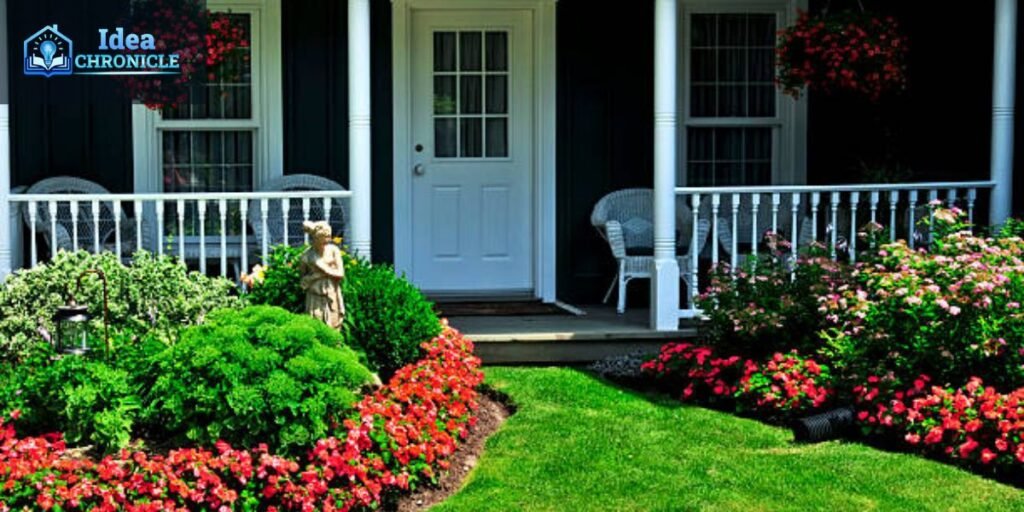
A front yard is the persistent handshake your home gives to the world. It is the first thing you see after a long day of work and the only thing neighbors truly know about your property.
Maintaining that perfect balance (clipping, shaping, pruning, and watering), which requires a specialized eye for detail to keep the entrance looking warm and inviting. Every inch of that soil has a job to do, and if the design is off, the whole house feels out of sync.
In this guide, we are going to look at 15 front yard landscaping ideas that are currently defining the best and most attractive designs of 2026. These aren’t just pretty pictures, they are practical, high-value upgrades that transition your home from a standard plot to a curated sanctuary.
Whether you are worried about high water bills or just tired of a patchy lawn, these insights are gathered from the most successful landscape trends currently hitting the market.
“A garden should make you feel you’ve entered a privileged world.” — Bunny Williams
Let’s start discovering these ideas and how they can transform your home’s curb appeal.
Plant Low-Maintenance Ground Covers for Year-Round Beauty
Standard turf grass is increasingly becoming a liability for the modern homeowner. It demands constant feeding, mowing, and irrigation just to look decent. Instead, shifting toward low maintenance landscaping ground covers like Creeping Thyme or Sedum allows you to reclaim your Saturdays.
These plants form a dense, living carpet that naturally chokes out weeds. I’ve seen many people struggle with patchy grass in high-traffic or shaded areas; ground covers solve this by being remarkably resilient.
- Creeping Thyme: Best for sunny paths; releases a light fragrance when stepped on.
- Pachysandra: A lifesaver for deep shade under mature trees where nothing else grows.
- Clover: A nitrogen-fixing option that stays green during heatwaves without extra water.
By utilizing these, you create a self-managing yard. They provide a lush, green aesthetic that feels expensive but costs nearly nothing to maintain once the roots are established.
Create a Stone or Gravel Pathway to Guide Guests
A home without a clear path feels uninviting and disorganized. Using natural flagstone or irregular pavers creates a sense of journey toward your front door. It breaks up the monotony of the lawn and provides a structural anchor for the rest of your front yard ideas.
Pro Tip: Always use a 2-inch base of compacted sand under your stones to prevent shifting during winter freezes. This ensures your path stays level and safe for years.
Gravel is another fantastic, budget-friendly alternative. Nowadays, we are seeing a move toward which allows rainwater to soak directly into the ground. This prevents pooling near your foundation and keeps your front yard landscaping looking crisp even after a heavy storm. It adds a textured, high-end look that concrete simply cannot touch.
Add Flower Borders Along Walkways and Driveways
Borders are the contour lines of your landscape. They define where the wild garden ends and the structured path begins. Instead of scattering single plants, use Drift Planting, grouping five to seven of the same species in a flowing, wave-like pattern.
This technique is a favorite among professional designers for front yard landscaping because it creates a bold visual impact from the street.
- Spring Interest: Use bulbs like Alliums for height.
- Summer Peak: Salvia and Lavender provide color and scent.
- Winter Structure: Ornamental grasses like Little Bluestem hold their shape in the frost.
A clean, deep-cut edge between the flower bed and the grass is the secret to making a DIY job look like it cost five figures. It prevents grass from creeping into your blooms and keeps mulch exactly where it belongs.
Use Evergreen Shrubs to Add Structure and Color All Year
Evergreens are the bones of your entrance. If you only plant seasonal flowers, your house will look barren for five months of the year. Front garden ideas that include Boxwoods or dwarf conifers provide a permanent green frame that keeps the property looking lived-in and cared for, even in the dead of January.
Mix textures to avoid a boring green wall look. Pair the waxy, broad leaves of a Holly with the feathery, soft needles of a Juniper. This layering creates a sophisticated, professional aesthetic.
Furthermore, these shrubs provide essential shelter for local birds during the winter months. By choosing native evergreens, you ensure the plants thrive with minimal watering once they are established in your local soil.
Incorporate Drought-Tolerant Plants for Low Maintenance Landscaping
Climate resilience is a major focus in 2026. Xeriscaping isn’t just for the desert anymore, it’s a smart way to lower your utility bills. Plants like Agave, Russian Sage, and Coneflowers are built to survive on natural rainfall.
According to , these plants can reduce outdoor water use by over 50%. This is a critical factor for homeowners looking to future-proof their properties against rising water costs.
Build a Small Patio or Seating Area in the Front Garden
The social front yard is a defining trend of 2026. By adding two chairs and a small bistro table, you transform a pass-through space into a functional room. This front yard landscaping makes the house feel larger and more welcoming to the community.
This is especially effective in smaller urban lots where every square foot of garden ideas for front yard use counts. Use pea gravel or decomposed granite for the base to ensure perfect drainage and a soft, natural look. It creates a dedicated destination right outside your front door.
Use Decorative Containers to Highlight Your Entryway
Pots are the easiest way to add seasonal flair without a major renovation. I always tell homeowners to go bigger than you think you need. A 24-inch pot makes a statement; a 10-inch pot just looks like clutter on a porch.
Use the Thriller, Filler, Spiller method to ensure a balanced look:
- Thriller: A tall grass or architectural plant for height.
- Filler: Mounded flowers like Lantana for bulk and color.
- Spiller: Creeping Jenny or Ivy to flow over the sides.
This creates a professional, tiered look that holds its own against the scale of your house. It allows you to swap out colors as the seasons change without ever touching a shovel.
Mass Plant Perennials for a Fuller, Low-Maintenance Look
Stop buying one of every plant. It makes your front yard look busy and disorganized. Mass planting 10 or 20 of the same perennial creates a wash of color that is visually calming and high-impact.
It also makes maintenance easier because all the plants in that section have identical needs for pruning and water. Over time, these plants grow together to form a dense canopy, which naturally shades the soil and prevents weed seeds from germinating. This is the ultimate cheat code for a beautiful, low-effort front yard landscaping garden.
Group Plants With Similar Needs for Simplified Care
Hydro-zoning is the pro’s secret to a healthy landscape. By putting your thirsty Hydrangeas in one spot and your dry-loving succulents in another, you ensure that every plant gets exactly what it needs to thrive.
This prevents you from overwatering one species just to save another. It’s a simple logistical fix that keeps your front yard landscaping ideas thriving without constant monitoring. It also makes setting up an irrigation system significantly more efficient, reducing wasted water.
Frame Your Home With Low Hedges or Native Shrubs
A low hedge acts like a soft boundary without being an aggressive keep out sign. Native shrubs like Oakleaf Hydrangea offer stunning fall color and seasonal flowers. Because they are native, they have evolved to handle your local pests and soil conditions.
This means you can ditch the chemical sprays and heavy fertilizers. A well-placed hedge can guide the eye toward your front door, highlighting the architecture of your home. It provides a sense of security and privacy while maintaining an open, friendly connection to the street.
Replace Lawn With Gravel or Mulch to Reduce Water Use
If your grass is a constant struggle, stop fighting it. Replacing underperforming turf with high-quality cedar mulch or river rock is a bold, modern move. It provides a clean, consistent backdrop for your plants.
Mulch is particularly valuable because it keeps the soil moisture from evaporating in the heat. It also breaks down over time, adding organic matter back into the ground. Gravel, on the other hand, offers a permanent, no-water solution that looks sharp and minimalist year-round.
Add a Small Water Feature or Birdbath for Visual Interest
The sound of water is the ultimate stress-reliever. A simple stone birdbath or a solar-powered fountain masks the sound of neighborhood traffic and sirens. It turns your front yard landscaping into a sensory experience rather than just a visual one.
Water features also bring your garden to life by attracting local songbirds and butterflies. If you use a recirculating pump, maintenance is surprisingly low. It provides a cooling effect during the summer and a peaceful focal point for anyone sitting on your porch.
Use Vertical Elements Like Trellises or Arbors
If your yard is narrow, the only way to grow is up. A wooden arbor over the front gate or a trellis against a bare brick wall adds architectural depth and height. This is one of the best front garden ideas for making a small lot feel expansive.
Climbing roses, Clematis, or even vertical vegetable gardening can turn a flat wall into a lush green tapestry. Vertical elements draw the eye upward, highlighting the height of your home and adding a layer of classic cottage charm to the design.
Create a Pollinator-Friendly Garden With Native Flowers
Helping the environment starts at your front door. Planting Milkweed, Aster, and Bee Balm ensures that local bees and butterflies have a place to feed and nest. In 2026, are considered a mark of a sophisticated, eco-conscious homeowner.
It turns your yard into a living sanctuary. Native plants are naturally tougher than imported varieties, meaning they require less intervention to look their best. It’s a garden that feels alive and serves a purpose beyond just looking good for the neighbors.
Keep the Design Balanced and Symmetrical for a Cohesive Look
Symmetry is a shortcut to elegance. If you have a door in the center of the house, match your plants on both sides. It creates a sense of order and calm that is visually satisfying to the human brain.
Balance doesn’t always mean identical, it means the visual weight should be equal. For example, a large shrub on the left can be balanced by a group of three medium perennials on the right. This consistency is what separates a DIY project from a professional-grade landscape.
Summary: A Personal Vision for Your Entrance
Creating a beautiful front yard landscaping isn’t about having the most expensive plants in the neighborhood. It’s about creating a space that works with your life rather than against it. These front yard landscaping ideas combine style with low-maintenance function, because we know it’s not just about for you, you’re investing in your home’s soul.
A great entrance should feel like a relief when you pull into the driveway. It should be a place where you can see the seasons change without a mountain of chores waiting for you every Saturday morning. Most importantly, it should be an expression of your own personal style.
Take it one bed at a time. Start with the bones (the paths and the permanent shrubs) and let the rest grow as you learn your soil. A year from now, you’ll be glad you started today.
Frequently Asked Questions
What are the easiest front yard landscaping ideas for beginners?
The absolute best place to start is edging and mulching. By simply defining the lines of your garden beds with a sharp spade and adding 3 inches of dark wood mulch, you create an instant professional look. It requires no special gardening knowledge and provides a massive visual return for very little cost.
How can I make my front yard low maintenance but still beautiful?
Focus on Native Plants and Perennials. These plants are built for your climate, so they don’t need you to “babysit” them with extra water or fertilizers. Replacing high-maintenance grass with ground covers or gravel paths also removes the need for weekly mowing.
What plants work best for small front yards?
In tight spaces, you want plants that grow up rather than out. Columnar evergreens or dwarf shrubs like Little Lime Hydrangeas give you all the beauty without swallowing up your walkway. Vertical trellises are also a game-changer for small-scale entries.
How do I choose plants that bloom all season in my front yard?
The trick is Staggered Bloom Times. You want at least one plant for each season. For example: Bleeding Hearts for Spring, Coneflowers for Summer, and Montauk Daisies for Fall. Evergreens then hold the look together during the Winter.
How can I improve curb appeal without spending too much?
Lighting and Paint. A fresh coat of paint on the front door and a few well-placed solar spotlights on your best trees can transform the house overnight. Pair this with two large pots at the entryway for a high-end look on a DIY budget.
What are the best ways to frame my front yard with shrubs or borders?
Use the Layering Method. Place your tallest shrubs near the house or the corners to soften the architecture. Then, step down to mid-sized perennials, and finish with low-growing ground covers near the sidewalk. This creates a natural staircase for the eye to follow.
How do I plan a front yard landscaping project step by step?
Start with a Site Observation. Spend a weekend watching where the sun hits and where the water pools. Draw a rough map, choose your hero plants (like a beautiful specimen tree), and build your paths around them. Don’t rush—do one section at a time.
Can I use containers to add seasonal color in the front yard?
Absolutely. Containers are like the jewelry of the garden. They allow you to swap out bright annuals like Pansies in the spring or Mums in the fall without digging up your main beds. It’s the easiest way to keep your entryway looking fresh year-round.